Design
Declarative design with Penpot
Penpot is built with declarative design in mind, using web standards, CSS properties and layouts. Let’s explore how that works in real projects.

Design
Penpot is built with declarative design in mind, using web standards, CSS properties and layouts. Let’s explore how that works in real projects.
Design
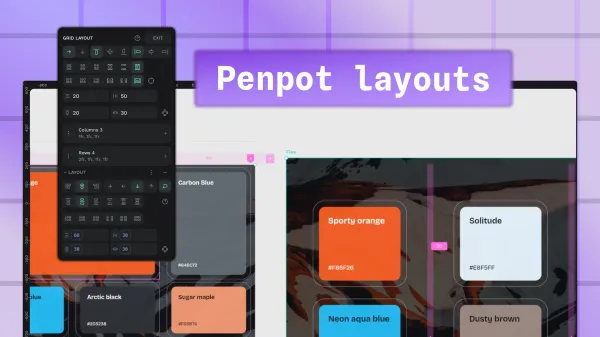
You’ve used a design tool before, and you just want to know the basics to help you get started with Penpot layouts. This is the extra quick explainer just for you!
Design
Everything you need to know about Penpot layouts, whether you want static and pixel-precise, or flexible and responsive. Including designing in CSS Flex and Grid.
UI
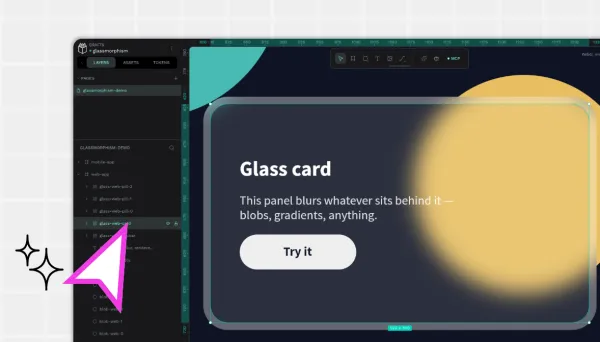
Have you ever heard what "glassmorphism" is? Maybe not, but I'm sure you've seen an increase in glass effects in UI design across websites, apps, and operating systems.
Tools
Looking for a Sketch alternative? Compare Penpot, Figma, Lunacy, Framer, and Paper on AI integration and self-hosting to find the best fit for your team.
Design
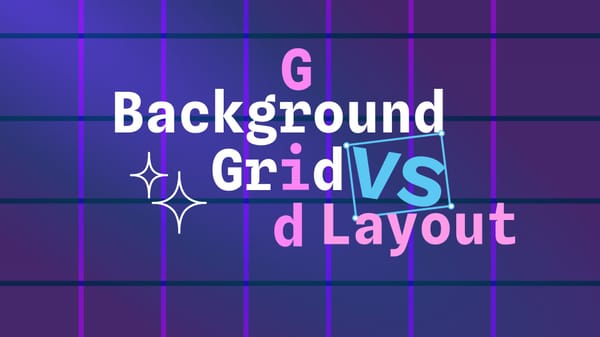
Background grids are guides you use to help you manually position design elements by eye. Grid layouts automate layouts (often responsively) based on the design rules you provide.
Tools
Considering Paper for UI/UX design? See how it compares to five alternatives, including Penpot, Figma, and Framer, before committing to an open alpha tool.
Code
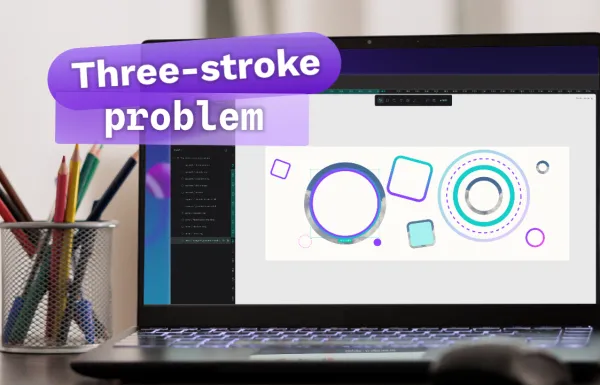
When three kinds of strokes entangle with each other, the resulting design system is chaotic for most initial conditions. Let's go through the stroke rendering in design software.
Design
Master DesignOps for enterprise teams. Discover the 3 pillars of design operations, common challenges, and a step-by-step framework to scale design.
Design
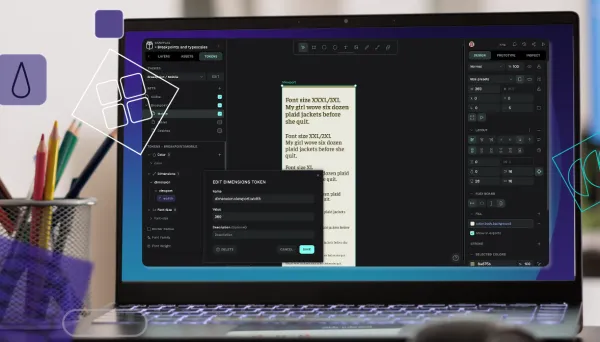
Learn how to implement maintainable developer-friendly breakpoints with design tokens and themes.
Design
Learn how you can help your remote team work better together with these eight tips centered on human connections and smart management styles.
Beginners
Learn what UX design is, why it matters, and how to become a UX designer. Explore key skills, UX vs. UI, the design process, and steps to start your career.