Brand consistency: How enterprises maintain and build their brands
Brand consistency is the disciplined, repeatable presentation of one identity-visual, verbal, and experiential-whenever and wherever audiences encounter you

When Amazon launched in Sweden, it made headlines for all the wrong reasons — including a botched flag and vulgar translation errors. The rollout felt off-brand in nearly every way, clashing with Amazon’s global reputation. It was a costly reminder that brand consistency isn’t optional — it’s essential, and every touchpoint matters.
Brand consistency protects more than aesthetics. It’s what prevents confusion, safeguards trust, and ensures that your values show up clearly — no matter the product, platform, or audience. Even if your team isn’t planning an international launch, brand consistency should still be top of mind, especially in your design and communication workflows. It helps establish your presence in a saturated market. Plus, greater brand consistency will build both awareness and revenue.
In this article, we’ll share how global enterprises standardize, implement, and future-proof that insurance and how Penpot’s open-source, team-centric platform enhances the process from first concept to continuous review.
What is brand consistency?
Brand consistency is the disciplined, repeatable presentation of one identity (visual, verbal, and experiential) whenever and wherever audiences encounter you. In just seven seconds, people form a lasting impression of your brand. Make it a positive one and ensure it stays consistent across every touchpoint and over time.
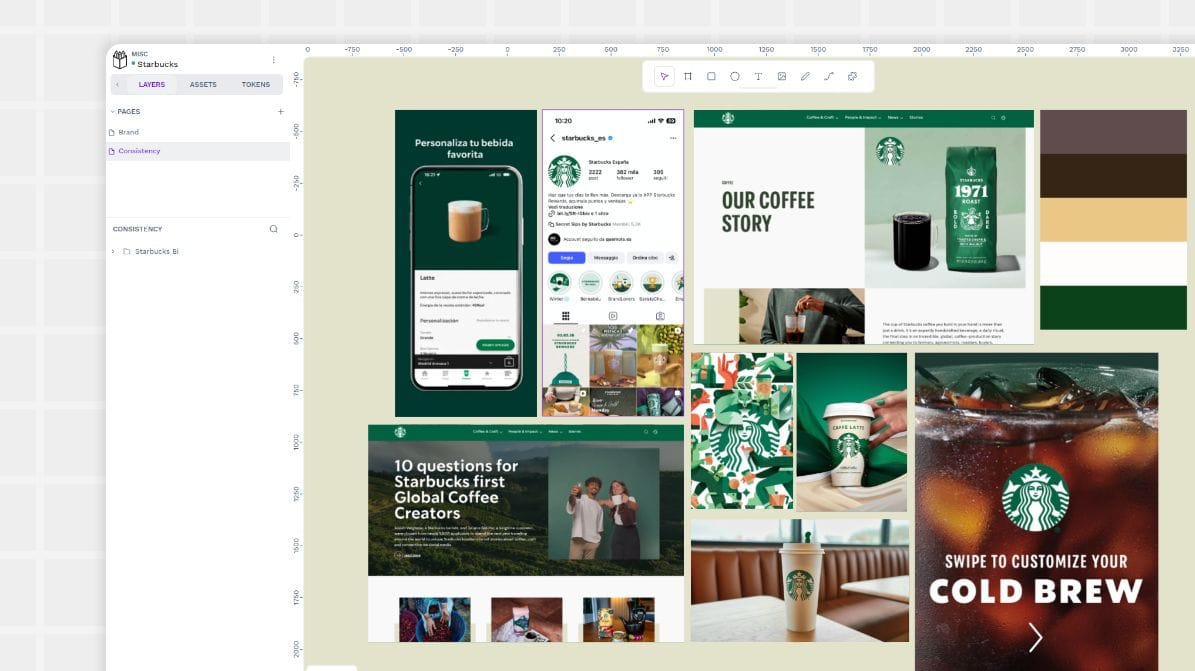
It should achieve one goal: that audiences instantly recognize and trust that it’s you at every touchpoint. Whether it's a mobile app, a social media ad, a sales deck, or a product label, customers should have no second guesses that it’s truly from you.
Consistency spans three dimensions:
- Visual assets (logos, color, typography)
- Voice and messaging (tone, vocabulary, narrative)
- Experience patterns (navigation, interactions, customer service)
Some experts also include governance as a dimension, as it keeps the first three dimensions aligned.
A consistent brand isn’t just for customers — internal stakeholders benefit, too, by having precedent for knowing how to create and communicate.
Clear, standardized guidelines free creative teams to focus on innovating new marketing campaigns, products, or features and not on reinterpreting brand basics. Even small teams benefit from approaching projects with the confidence of what’s “on brand” while reducing the cognitive load of trying to figure it out on their own.
Why brand consistency matters more at scale
As a company grows, the risk of drifting off-brand increases. Every new product, language, or partner adds to this risk.
Enterprises currently juggle multiple teams, hundreds of campaigns, and thousands of assets. (Just consider how many social media images you’ve created this year!) The odds, for example, of content using the wrong font weight are high. These odds increase when you work with third-party vendors, agencies, and freelancers who might not have access to your internal processes and asset libraries or use outdated versions of approved files. This means you’ll need to double-check that the assets and guidelines you share are updated and easy to understand, create basic templates third parties can use when in doubt, and have processes in place so your in-house brand manager can answer any questions that might arise.
So, what happens when these branding errors continue over time? It degrades user experience and trust. It can even create legal liability when those errors confuse users or direct them to use your product or service in an unsafe way. For example, if you change a package design but aren’t consistent with how you label food products, an undeclared allergy could cause harm and lead to potential lawsuits and fines.
6 strategies enterprises use to maintain brand consistency
Consistency doesn’t limit creativity; it creates a stable foundation so teams can focus on innovation, not on policing colors or fixing off-brand slides. The most effective organizations treat brand consistency as a shared responsibility, embedding it into daily workflows across product, marketing, design, and development.
These six strategies help companies build, protect, and scale a unified brand.
1. Build a centralized brand governance system
Brand consistency is a top-down matter that requires a cross-functional team to enforce it. Who you pick for this team (or governance “hub”) will vary, but most companies get representation from design, marketing, legal, and IT to help define ownership, set approval tiers, and allocate budget.
This team will be intimately involved in selecting a governance platform and library to store assets, which makes them easily searchable to all who need them. You can even create role-based access, giving designers editing permissions and social media teams read-only permissions, or create expiration dates for assets to only be used for seasonal brand campaigns. Your legal team can help you determine just how tight you’ll need permissions to be.
2. Create and enforce living brand guidelines
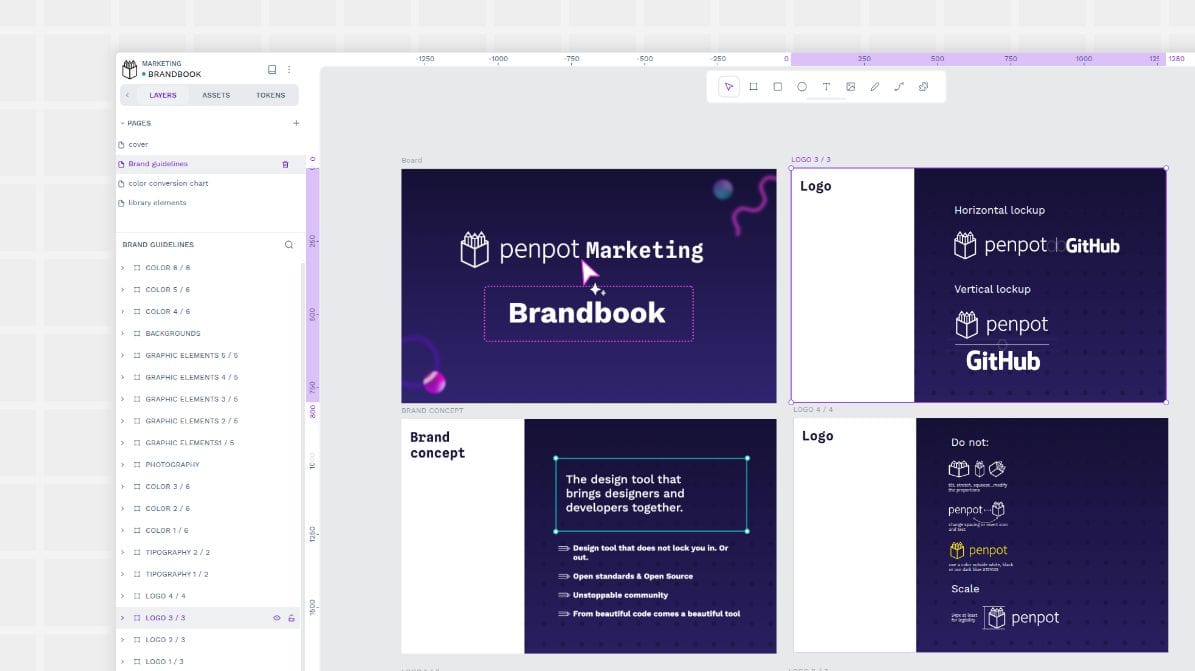
Digital, version-controlled guidelines prevent “PDF rot” and encourage continuous improvement. For example, teams may use and distribute brand guidelines (usually as PDF files), which become outdated, inaccessible, or ignored over time. Unlike digital or cloud-hosted systems, these PDF guidelines can be difficult to manage so that only the most recent file is used.
By moving brand rules online, with interactive “dos and don’ts,” code snippets, and update notifications, teams are more likely to use the correct file version and avoid off-brand content. You can even encourage feedback where team members can suggest refinements, call out errors, or request a customized asset size. The guide becomes a collaborative, living artifact, rather than a static rulebook that quickly becomes outdated.
3. Operationalize design systems and design tokens
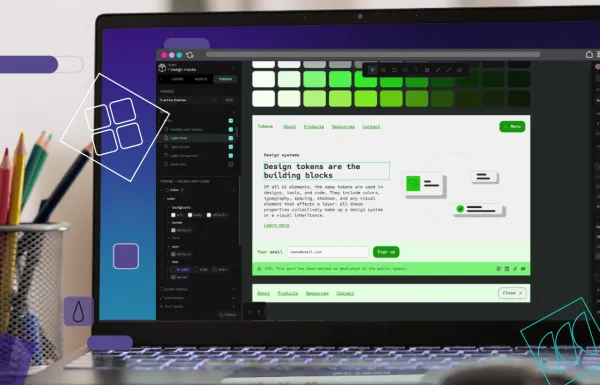
Design systems convert the brand rules into reusable UI components, while tokens sync those components directly to code. Design tokens serve as a single source of truth for colors, spacing, and motion, propagating changes across every product with each use.
So, a design token for a form submission button will be the same color and shade every time it’s used. Plus, if you ever want to adjust the color of your button, you can simply adjust the design token, and all instances where that token has been used will update automatically to your new specifications.
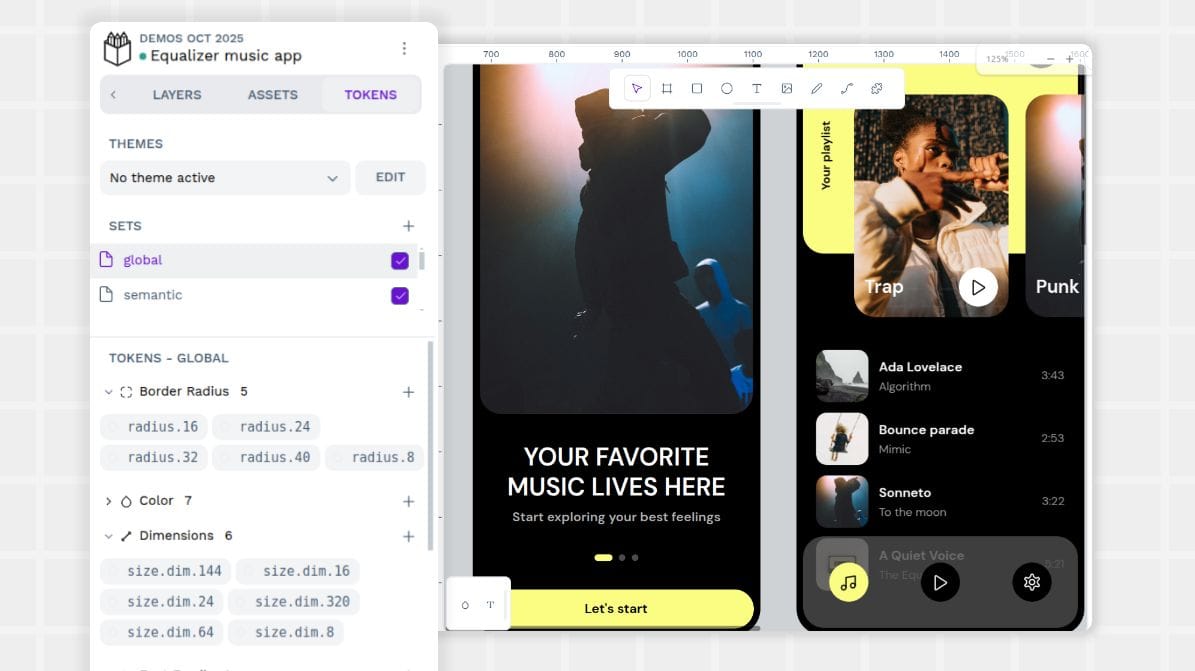
Enterprises that use tokens within a design system can experience fewer cross-platform inconsistencies and save developer hours. Tokens double release speed and cut styling bugs, giving everyone the confidence that they are working with the correct elements.
4. Invest in scalable tools
Cloud-native, collaborative platforms help designers and developers work in real-time and integrate branding into CI/CD pipelines. Before committing, look for solutions that support the following:
- Real-time co-editing and commenting, no matter the browser type or OS
- Open APIs and webhooks to automate QA checks
- Self-hosting for data sovereignty and industry compliance
- Unlimited or seat-agnostic pricing that allows every stakeholder to participate
These capabilities eliminate hand-off delays and ensure that the “source of truth” is always the most current file, not last week’s email attachment.
5. Localize without losing brand integrity
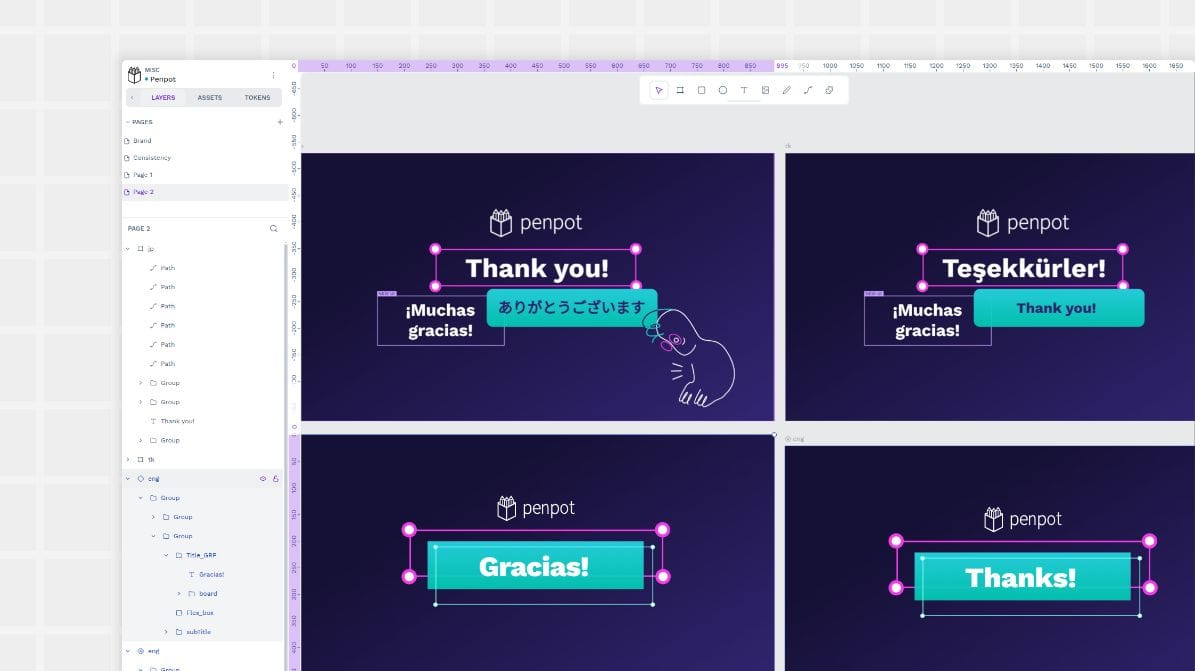
Localization incorporates cultural nuance while safeguarding non-negotiable assets. For example, Patagonia has increased its market to include many countries, but doesn’t waver in its values. In Japan, stores focus more on ultralight gear for city commuters. In Europe, products and campaigns address hiking and alpine needs. In all cases, the brand’s sustainable materials and design standards are non-negotiable.
To replicate this success, have your teams define which elements are immutable (logo, core palette) versus adaptable (imagery, idioms), then supply template kits that lock the former and free the latter. Thoughtful localization can increase revenue while maintaining brand consistency.
6. Monitor, audit, and evolve brand usage regularly
Continuous analytics can catch brand drift early and provide data to help iterate faster. New technology makes this even easier through tools like automated scanners that flag off-brand colors, fonts, or phrasing across web properties before they go live.
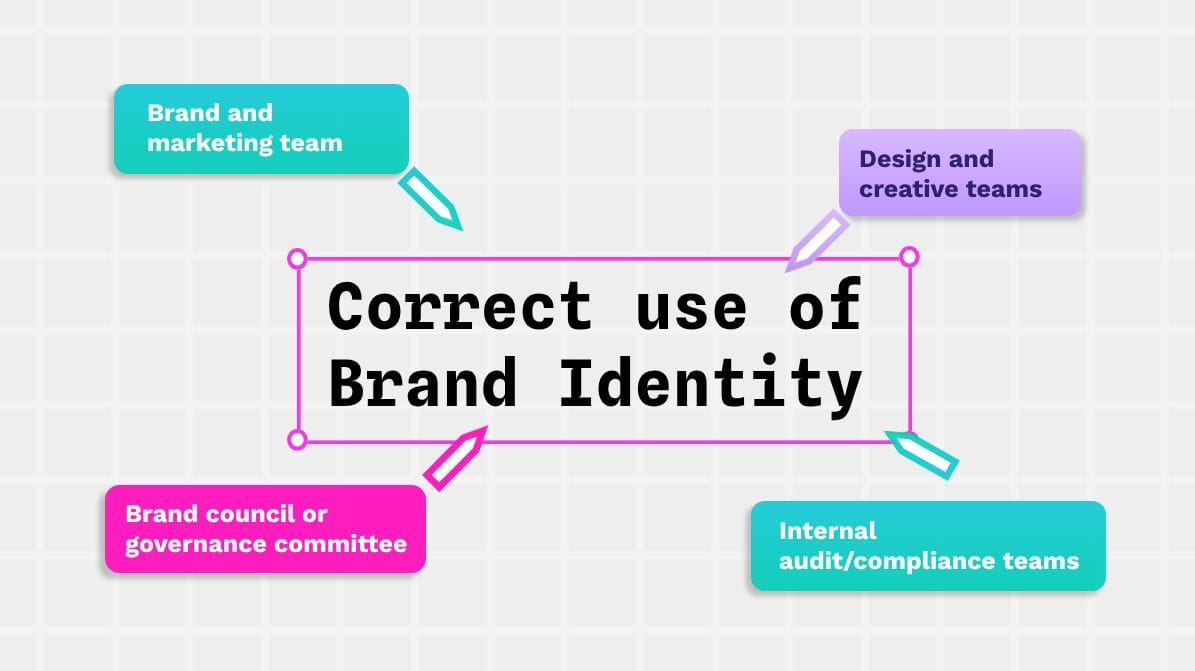
Here are some examples of teams and their governance roles:
Brand and marketing team: Usually leads the ongoing monitoring of brand usage, conducts regular audits, and enforces guidelines. They review creative assets, collateral, campaigns, and digital properties for consistency.
Brand council or governance committee: Sets overall brand strategy and oversees compliance. This body often has decision rights on deviations, updates, and enforcement actions.
Design and creative teams: Operationalize guidelines in day-to-day work and flag inconsistencies. They are stewards for visual and experiential consistency across product UIs, websites, and collateral.
Internal audit/compliance teams: May be involved in formal, scheduled brand audits, especially in regulated industries. They benchmark use of assets, review adherence to legal requirements (like trademark usage), and assess risks tied to off-brand communications.
By planning how you’ll monitor usage and communicate issues to teams, you’ll be more likely to follow through on fixing errors when you catch them. A quarterly audit is one common way to benchmark compliance rates.
To do a brand audit, systematically review all brand assets and communications across channels to check for adherence to official brand guidelines in visual identity, messaging, and customer touchpoints. Measure compliance rates by comparing the number of compliant assets to the total reviewed, highlighting areas needing correction or improvement. Your overall compliance rate should be as close to 90% as possible.
Regularly sharing audit results with brand-involved teams reinforces accountability and celebrates those who model good brand consistency practices. It’s a way to build ownership for every image, font, and message you put out there and can lead to better overall compliance.
How Penpot can help your brand grow, no matter your size
Penpot transforms the pursuit of brand consistency from an organizational challenge into a streamlined, collaborative process. By bridging the gap between design and code with an open, secure, and highly scalable platform, Penpot ensures every team member works from the same playbook, no matter their department or location.
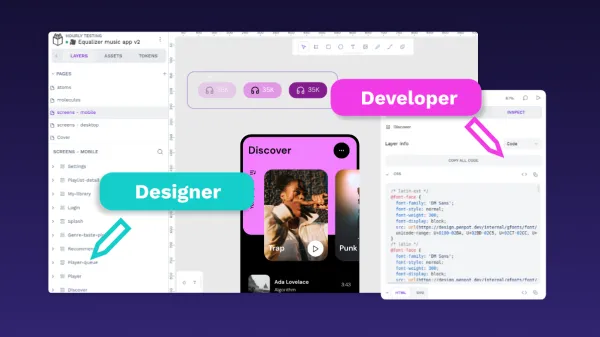
Its cloud-based canvas fosters real-time collaboration among designers, product managers, and engineers. Because context is always preserved through threaded comments, task assignments, and granular version history, everyone stays aligned as brand assets evolve. This unified workflow greatly reduces the risk of outdated or off-brand materials slipping through the cracks. (Penpot also supports self-hosting, however, for those who need enhanced security.)
With built-in support for CSS Grid and Flexbox, Penpot ensures your layouts aren’t just visually consistent but also functionally true to your brand’s standards through to the final product. What’s designed is precisely what gets shipped, eliminating translation errors and reinforcing a cohesive identity across every touchpoint. Plus, with Penpot’s design token system, you can ensure that the latest brand colors, typography, and spacing are applied universally, helping maintain consistent experiences across product lines and platforms.
At the end of the day, the brands customers love most are those they recognize instantly and trust implicitly. Brand consistency delivers both. Sign up for Penpot today and experience brand governance, design collaboration, and code alignment in one open-source platform.
 Elena Scilinguo
 Elena Scilinguo